To Eat a God
Launching To Eat a God
Preparing the browser build...
To Eat a God









Play To Eat a God online
To Eat a God begins with a role you are not supposed to break. You are a living puppet offered to the Garden of Gods, and the safest mask is obedience. The problem is that the gods are watching more than your character. They notice tone, timing, curiosity, and the strange feeling that someone outside the scene is pushing the puppet forward.
Use the player above to launch To Eat a God in your browser. Press Play, wait for the Ren’Py build to initialize, then click inside the frame when the menu appears. This is a dense meta visual novel, so a larger screen, stable browser storage, and a quiet reading setup will make route tracking much easier.
What the game is about
The core idea is sacrifice, but the game does not treat sacrifice as a simple death sentence. Your puppet arrives as food for divine beings, yet the story slowly turns the question around: if a god can consume a puppet, can a puppet learn enough to consume the god? To Eat a God uses that reversal to make every polite answer feel like camouflage.
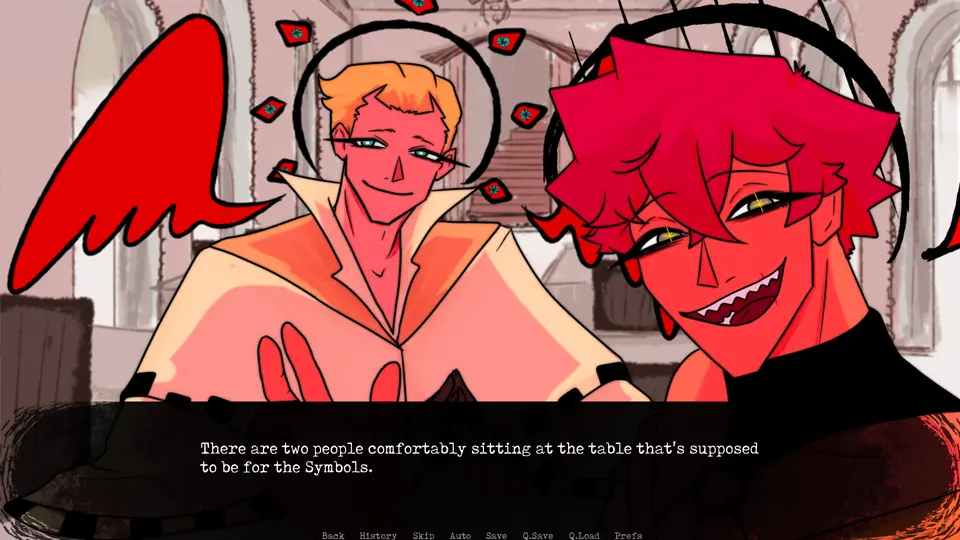
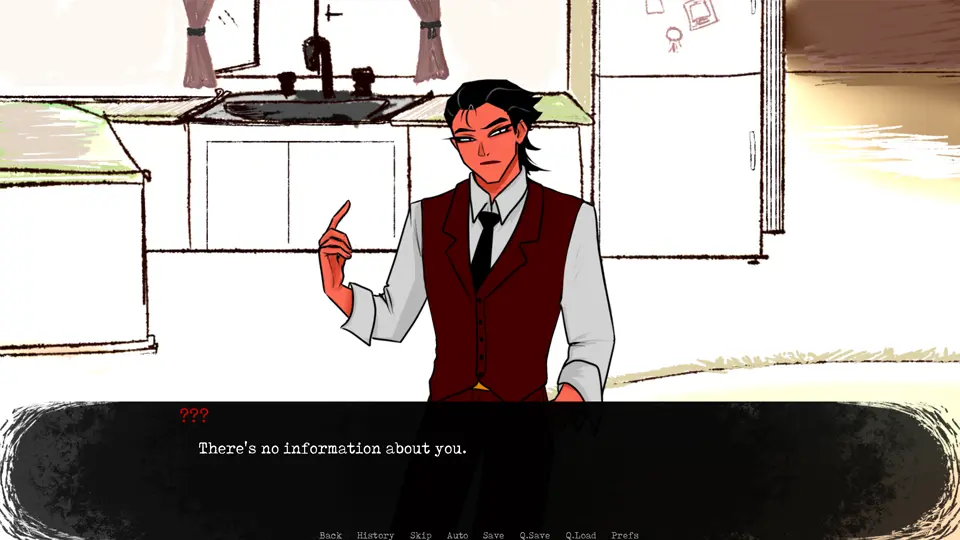
The Garden of Gods is not only a fantasy location. It is a stage where personality becomes survival. Unum looks bright, innocent, and dangerous in the way sunlight can burn. Septem feels like a caretaker who wants control over the garden and the guest inside it. Nulla is tied to emptiness, truth, and the disturbing sense that the world has rules the puppet was never meant to read.
That cast gives the story its pressure. The player is not simply choosing a love interest or picking a route label. To Eat a God asks you to perform the puppet correctly while deciding how much of your real intention to hide. A sentence that sounds too aware can become a mistake. A question that reaches beyond the role can invite attention you cannot survive.
Meta horror and fourth-wall tension
The meta layer is the reason To Eat a God feels different from a standard dark fantasy visual novel. The gods are not written as ordinary characters waiting for you to click through their scenes. They behave like beings who can sense the structure around them, question the player’s presence, and make the usual safety of save files and reloading feel less reliable.
That changes how choices feel. In a normal route, a bad answer is just a branch. Here, a bad answer can feel like proof that the puppet is not what it claims to be. To Eat a God turns the player into something observed, not just someone observing. The result is a story where the fourth wall is not a joke; it is a fragile barrier the gods keep pressing against.
The best way to play is to respect the role. Think before you act too human, too clever, or too direct. The puppet needs enough personality to keep a route alive, but not so much that it exposes the being behind the strings.
Routes, endings, and replay value
To Eat a God includes four routes and more than 15 endings, so replaying is part of the intended experience. A first run can show the shape of the Garden, but later runs reveal how differently Unum, Septem, and Nulla respond to suspicion, affection, defiance, and obedience.
The game is long enough that route notes help. Track major choices, emotional turns, and moments where a god seems to notice something unusual. To Eat a God has over 80,000 words and a large CG set, so treating it like a route journal will save time when you return for another ending.
Do not expect every ending to feel like a reward. Some endings are warnings about overconfidence. Some show what happens when the puppet performs too well. Others point toward the hidden logic behind the Garden. The fun is not only reaching every ending, but understanding why the same mask can protect you in one route and doom you in another.
How to play
Start To Eat a God by clicking the embedded player after the launch panel disappears. Read carefully, advance dialogue with click or tap, and use the visual novel menu when you need to save, load, or adjust settings. If audio does not start, click once inside the game window so your browser can allow sound.
Because the game leans on text, presentation shifts, and route memory, desktop is the better setup. A tablet in landscape mode may work for reading, but phone screens can make menus and long scenes tiring. If the iframe feels cramped, use the full-screen control before making important choices.
The first run should be exploratory. Pick a god, follow the route naturally, and learn what the game punishes. After that, replay with intent: test a warmer puppet, a quieter puppet, a more curious puppet, or a puppet that edges too close to the truth.
Visual style and tone
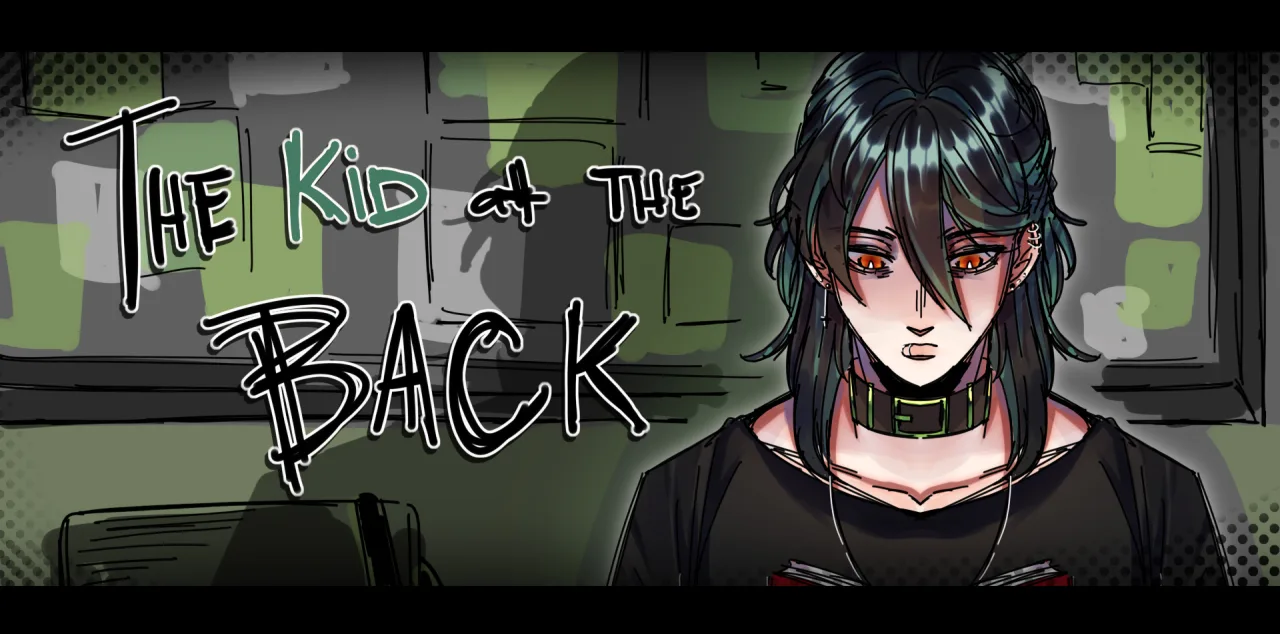
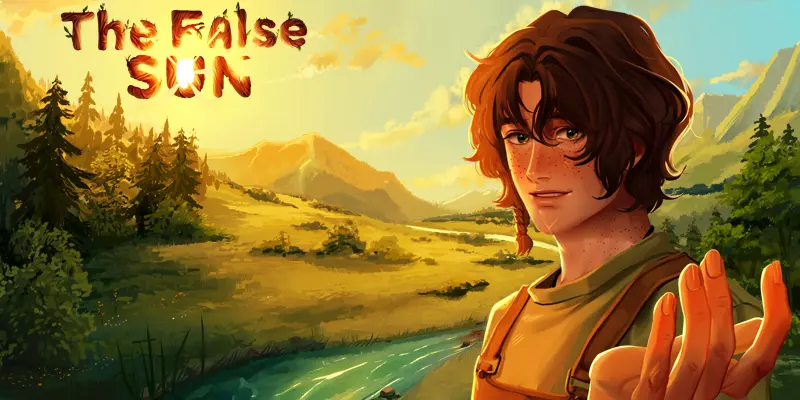
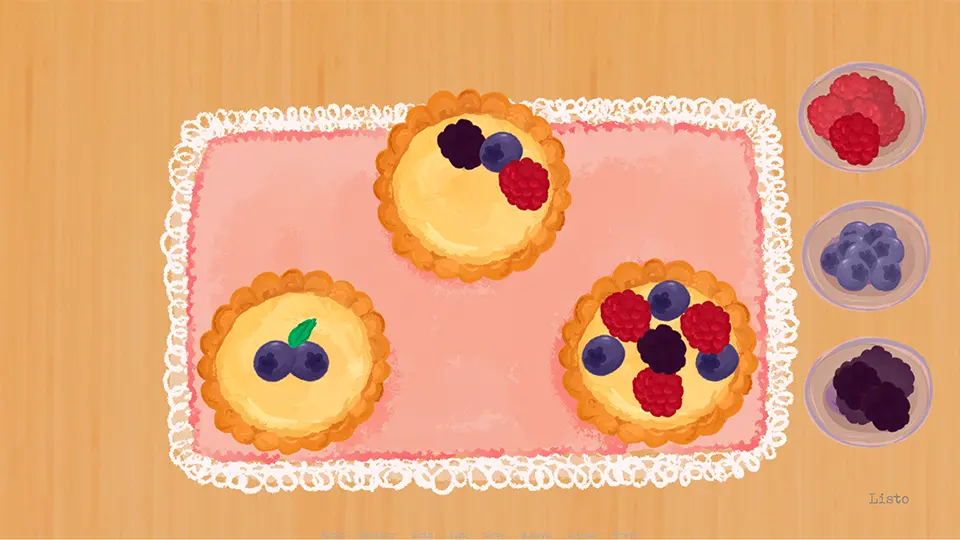
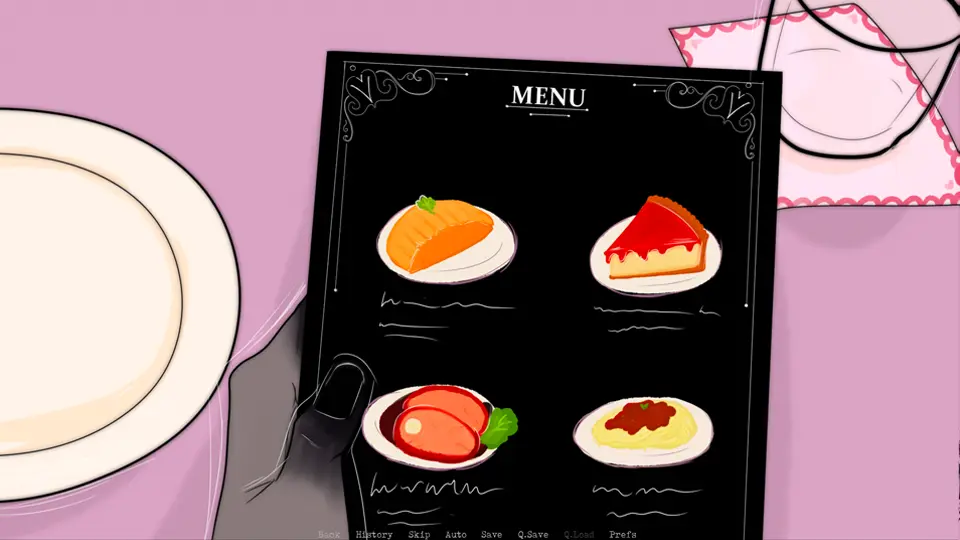
The art direction mixes elegant manga-style character work with gothic fantasy and broken-world imagery. To Eat a God can move from a garden that feels almost comforting to spaces that suggest the world is tearing open. That contrast matters because the visual beauty often arrives beside threat.
The tone is romantic, unnerving, and analytical. The gods can be charming, cruel, protective, or invasive depending on the route. The story is built for players who enjoy slow dread, character obsession, divine power games, and meta fiction that makes the interface itself feel unsafe.
Content and browser notes
This game is intended for mature players. It can involve sacrifice, body-horror ideas, psychological pressure, religious imagery, manipulation, fear of being watched, and other uncomfortable themes. If meta horror or loss of control is not what you want today, pause before starting To Eat a God.
Browser progress may rely on local storage. Avoid private browsing if you plan to compare routes, and do not clear site data until you are finished. If the frame stays black, refresh once, disable aggressive blockers for this page, and give the remote build time to download its engine files.
Page note
This page is an independent browser-play page for To Eat a God. It is built for quick launch, full-screen play, screenshots, video embeds, route notes, and practical browser guidance. The game title, characters, story, images, and videos remain with their respective owners.
To Eat a God Screenshots
To Eat a God Videos
To Eat a God FAQ
Can I play To Eat a God online?
Yes. Press Play on this page to launch To Eat a God in the embedded browser player. Give the Ren'Py build time to initialize before refreshing.
What kind of game is To Eat a God?
To Eat a God is a meta horror visual novel with adventure and simulation elements, self-aware gods, puppet roleplay, branching routes, and fourth-wall tension.
How long does To Eat a God take?
A broad playthrough can take several hours. The game lists more than 80,000 words, four routes, over 15 endings, and many CG scenes, so completion time depends on how many paths you chase.
Who are the gods in To Eat a God?
The central gods are Unum, Septem, and Nulla. Each one reads the puppet differently, and each route pushes the player toward a different kind of danger.
Does To Eat a God have multiple endings?
Yes. To Eat a God has more than 15 endings. Some outcomes come from roleplaying the puppet well, while others come from letting the gods notice too much.
Does To Eat a God work on mobile?
The page is responsive, but the game is best treated as a desktop visual novel. A phone screen can make text, menus, and route details harder to manage.